La cocina palestina forma parte de la tradición culinaria más amplia del Levante, una región que incluye Palestina, Líbano, Siria y Jordania, y que comparte técnicas e ingredientes desarrollados durante siglos: el asado lento en espetón vertical, el uso generoso de especias como el comino y el zaatar, y una fuerte cultura de compartir la comida en la mesa.
Palestinian cuisine is part of the broader Levantine culinary tradition, a region spanning Palestine, Lebanon, Syria, and Jordan that shares techniques and ingredients developed over centuries: slow roasting on a vertical spit, generous use of spices like cumin and za'atar, and a strong culture of sharing food at the table.
De dónde viene la shawarma / Where shawarma comes from
La técnica del asado vertical giratorio se documenta en el Levante otomano del siglo XIX, y de ahí se extendió por toda la región con variaciones locales. Lo que hoy llamamos "shawarma" en Palestina toma su carácter de las especias específicas de la zona —una mezcla que suele incluir comino, cardamomo, pimienta de Jamaica y un toque cítrico— y de la costumbre de marinar la carne durante mucho más tiempo que en otras variantes regionales.
The technique of slow-roasting meat on a rotating vertical spit is documented in the 19th-century Ottoman Levant, and spread through the region with local variations from there. What's called "shawarma" in Palestine today takes its character from region-specific spices — a blend that typically includes cumin, cardamom, allspice, and a citrus touch — and from the custom of marinating the meat far longer than other regional variants.
Ingredientes que definen la mesa palestina / Ingredients that define the Palestinian table
- Za'atar — mezcla de tomillo, sésamo y zumaque, presente en el pan, las patatas y muchos platos de acompañamiento.
- Tahini — pasta de sésamo, base de salsas cremosas que acompañan el shawarma y el falafel.
- Garbanzo — la base del falafel, remojado y molido fresco, no enlatado.
- Aceite de oliva — de calidad, usado con generosidad, no como un ingrediente secundario.
- Za'atar — a blend of thyme, sesame, and sumac, present in bread, potatoes, and many side dishes.
- Tahini — sesame paste, the base of the creamy sauces served with shawarma and falafel.
- Chickpeas — the base of falafel, soaked and freshly ground, not canned.
- Olive oil — good quality, used generously, not as an afterthought ingredient.
Una tradición que sigue viva, ahora en Valencia y Madrid / A living tradition, now in Valencia and Madrid
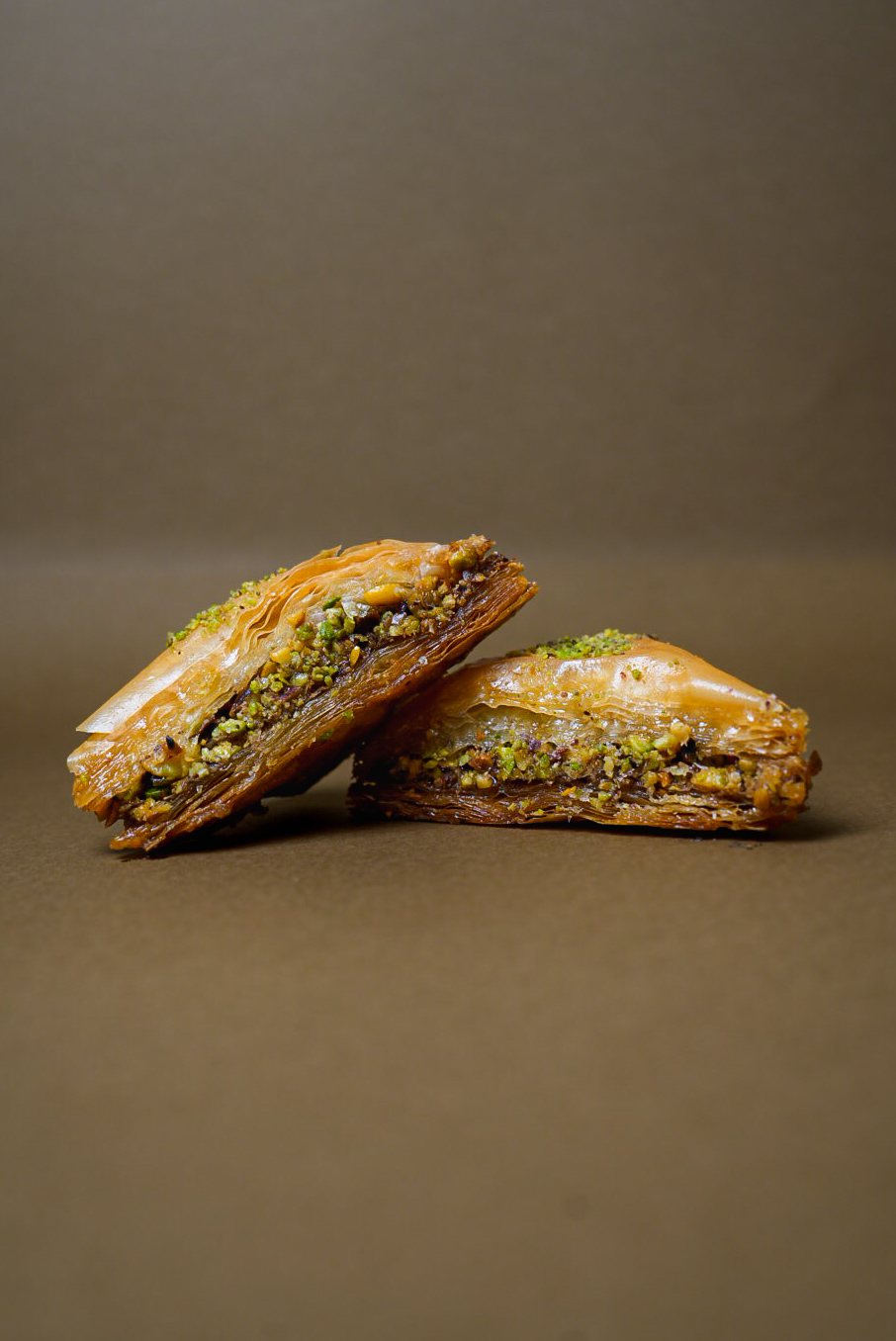
La Shawermeria nace de un equipo de jóvenes palestinos que quiso traer esa tradición real a España, sin adaptarla a una versión genérica de "comida árabe". Cada plato de nuestra carta —shawarma, falafel, patatas lux, baklava— sigue esa misma línea: recetas con raíces reales, no una fórmula inventada para encajar en un menú de kebab estándar.
La Shawermeria was founded by a team of young Palestinians who wanted to bring that real tradition to Spain, without flattening it into a generic "Middle Eastern food" version. Every dish on our menu — shawarma, falafel, loaded fries, baklava — follows that same line: recipes with real roots, not a formula invented to fit a standard kebab-shop menu.
Prueba una tradición con siglos de historia, hecha fresca hoy. / Taste a tradition centuries in the making, made fresh today.
Pedir ahora / Order now