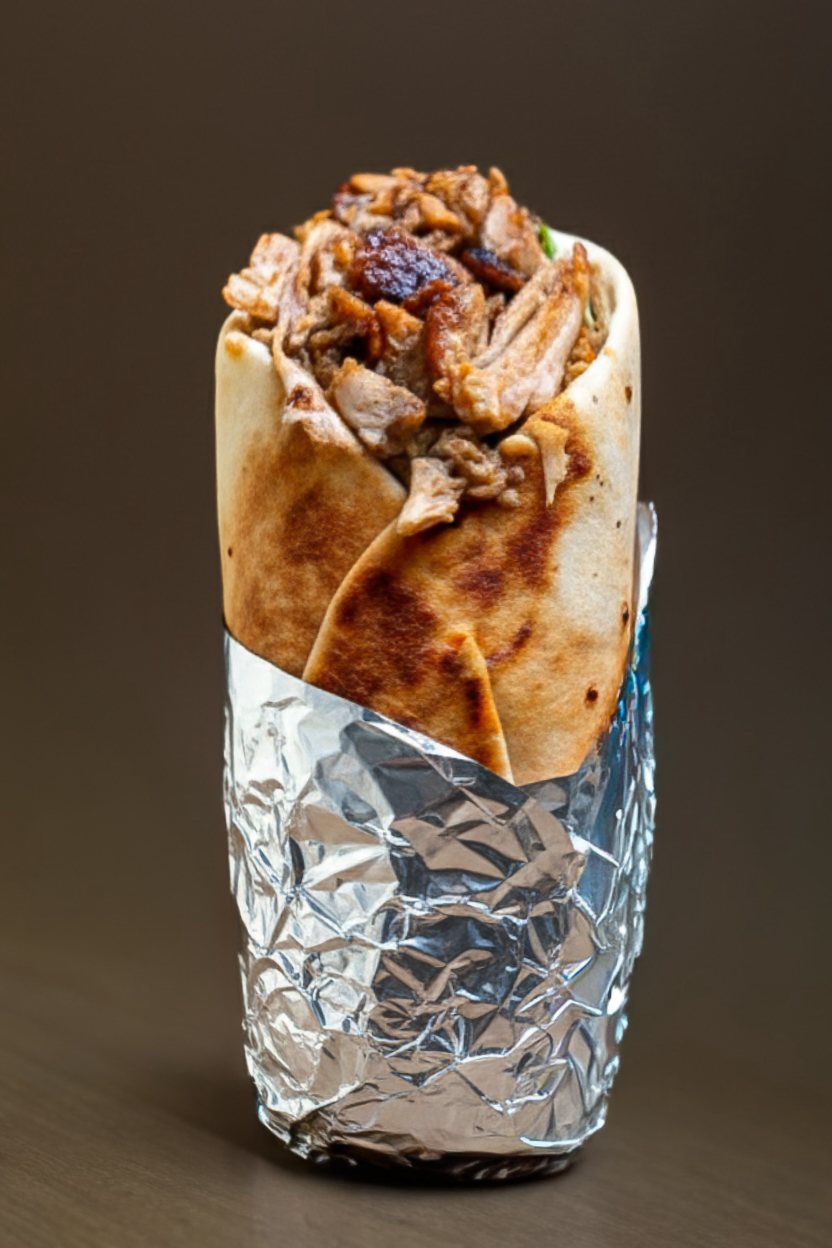
Yes, shawarma can be healthy — as long as it's made properly. Lean meat marinated in natural spices and slow-roasted on a vertical spit, rather than fried, fits comfortably into a balanced diet. What doesn't fit are the versions made with cheap processed meat, industrial sauces loaded with preservatives, and bread soaked in oil. The difference isn't the dish: it's the ingredients and how they're cooked.
What makes shawarma a healthier choice?
- Real spices, not industrial blends. Cumin, cardamom and allspice carry the flavour without needing excess salt or artificial enhancers.
- Slow cooking on a vertical spit. The meat roasts in its own juices and the fat drips away; it isn't fried in added oil.
- Homemade sauces. When the sauce is made in-house you know exactly what's in it, unlike bottled ones.
- Real chickpea falafel. Chickpeas, herbs and spices made fresh, rather than a pre-packaged mix.
- Actual fresh vegetables. Tomato, onion, pickle and parsley aren't garnish: they're the part that balances the plate.
Is shawarma fattening?
There's no single answer, and it's worth being wary of anyone who gives you one. Three things decide the outcome: the portion, the bread and the sauces. The meat itself is lean protein; what usually adds up is pairing it with fried sides, doubling the sauce and adding a soft drink. A shawarma with plenty of salad and one sauce, no fried extras, is a perfectly reasonable complete meal. The same shawarma with fries, double sauce and a sugary drink is a different thing. That isn't a judgement about what you eat — it's simply what the extras add up to.
Which is lighter: in bread or on a plate?
On a plate. The plate version has the same meat and the same salad, just without the bread, so the carbohydrate load drops while the protein stays exactly the same. If you want the lightest thing on the menu, the falafel plate with tahini or a meat plate with salad is the short route. And if you'd rather have the bread, ask for plenty of salad and a single sauce.
Is falafel healthier than meat?
Not automatically, and it's worth saying so plainly. Falafel is 100% plant-based — chickpeas, herbs, spices — and brings fibre and plant protein, but it is fried. The meat shawarma, by contrast, is roasted. These are different profiles, not a better-to-worse scale: falafel wins on fibre and on being plant-based, the roasted meat wins on cooking method. We go into it in more detail in vegan and vegetarian falafel.
How we do it at La Shawermeria
Our meat is marinated for 24 to 48 hours in traditional Levantine spices — no preservatives or artificial enhancers — and slow-cooked on a vertical spit. That marinating time isn't a marketing detail: it's the difference between meat that tastes of spice on the outside and meat that tastes of spice all the way through, which we explain in why we marinate for 24 to 48 hours.
The falafel is made with chickpeas, herbs and spices rather than pre-packaged mixes, and the falafel plate with tahini sauce is the usual vegetarian option on the menu. If you want something other than plain fries, the loaded fries come with za'atar, the thyme, sesame and sumac blend of Palestinian cooking.
And is the meat halal?
Yes. All the meat we serve is halal and comes from certified halal suppliers: Carnicería al Amal supplies us in Valencia, and Carnicería Adam in Madrid. The establishment itself doesn't hold its own certification — what's certified is the origin of the meat, which is what determines whether what you're eating is halal. The long answer is in is shawarma halal?.
Try a shawarma made with real ingredients.
Order now